
How Does Online Personal Training Work
Wanting to get fit is one thing; actually finding the time and confidence to go to a crowded gym is another. For many people, getting started with fitness feels like a logistical nightmare. But what if you could get expert, one-on-one at-home workout guidance on a schedule that actually works for you?
This is the promise of online personal training. Far from just following a pre-recorded video, this is about partnering with a real, certified coach who acts as a project manager for your health goals. They design a plan just for you, check your form, and provide the accountability you need, all through your phone or computer.
It's a modern solution designed to fit into messy, real-world schedules. This approach helps you build a routine that truly lasts by making fitness accessible and supportive.
What Do You Actually Need to Get Started?
Jumping into online training is surprisingly simple, and you likely already own everything you need. There’s no need for a high-tech setup or expensive gear. For most programs providing at-home workout guidance, all you really need is:
A device with a camera (your smartphone or laptop is perfect)
A reliable internet connection
A small, clear space to move around safely
Your virtual fitness coach will then connect with you in a variety of ways that fit your schedule. While some people prefer live video sessions, much of the coaching happens flexibly. Many trainers use a simple app where they deliver your personalized workout plans, you can log your progress, and you can message them with questions. It’s like having an expert in your pocket.
Finally, don’t worry about not having equipment. A good coach’s first job is to build a plan around what you have, even if that’s nothing at all. Bodyweight exercises are incredibly effective, and your trainer will design a program that helps you make progress with the tools you already have available.

How Can a Trainer Fix Your Form Through a Screen?
This is often the biggest question people have: if a trainer isn't in the room with you, how can they possibly correct your form and keep you safe? It’s a fair concern, but online coaches have developed smart and effective methods to provide the guidance you need. In many cases, this focused attention is even more detailed than what you might get in a busy gym.
To solve this, trainers use a combination of two powerful techniques to ensure your movements are both safe and effective. The method they use often depends on your customized exercise program.
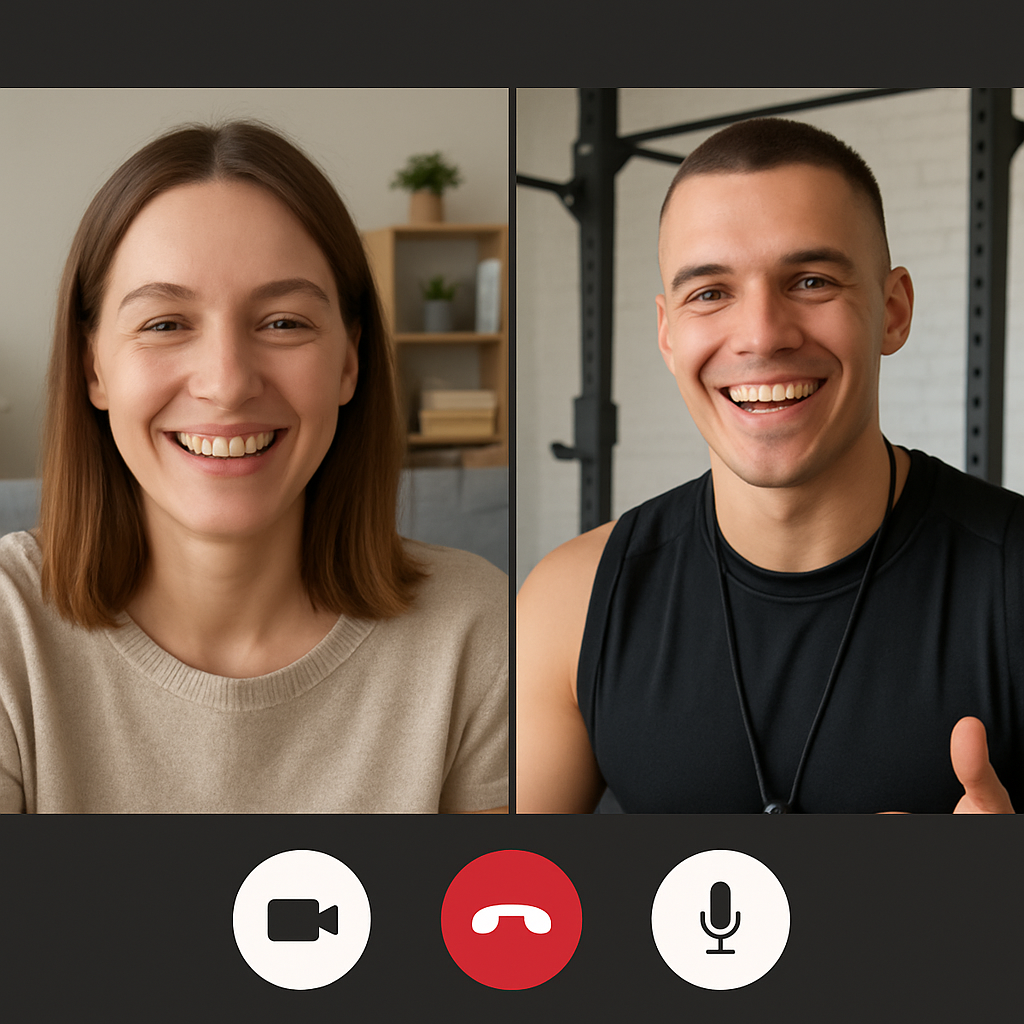
Live Feedback: During a scheduled video call, your trainer watches you perform exercises in real time. They can immediately provide real-time feedback, offering simple cues like, “Drop your hips a bit lower” or “Brace your core,” just as they would in person.
Video Review: For more flexible plans, you’ll record yourself doing a specific exercise and send the clip to your coach. They then review it on their own time and send back detailed notes, sometimes even with drawings or a video of their own to demonstrate the correct form.
This focused attention helps explain why remote personal trainers are so often effective. A good online coach won’t just throw complex exercises at you. They start by building a foundation with simple, low-risk movements. By mastering the basics first, you build confidence and body awareness, ensuring you’re ready for more challenging exercises down the road.
What Are the Different Kinds of Online Training?
Just as your workout plan is tailored to you, the way you work with a coach can be, too. The best style for you depends on your schedule and whether you prefer the flexibility to work out anytime or the accountability of a set appointment. This choice is a key advantage when considering a virtual coach vs. a gym membership.
The first style is Live 1-on-1 Coaching, which is like a traditional training session held over a video call. You and your coach meet at a scheduled time, and they guide you through your entire workout with immediate feedback. This approach is perfect for anyone who thrives on the structure of a fixed appointment to stay on track. It provides the highest level of direct, real-time accountability, making it a powerful tool for building a consistent routine.
On the other hand, you have Flexible Workout Plans. With this model, your coach creates personalized workout plans and delivers them through an app or email for you to complete on your own schedule. You still get regular check-ins and can send videos for form review, but you aren’t tied to an appointment. This is ideal for busy professionals or parents with unpredictable routines. Many coaches even offer a hybrid model.
Is a Remote Personal Trainer Actually Effective for Goals Like Weight Loss?
It’s a fair question: are remote personal trainers effective, especially for something like weight loss? The short answer is yes, but often for a reason you might not expect. The real game-changer isn't just the workout plan; it’s the accountability. Knowing a real person is going to check in—not just an automated app notification—provides the gentle push most of us need to show up, even on days we don't feel like it. This human connection is often the missing ingredient for success.
Beyond that, effectiveness comes from a plan built just for you. While a generic fitness app might give you a standard workout, a virtual fitness coach for weight loss considers your actual life. Do you only have 20 minutes between meetings? Are you recovering from an old injury? Do you absolutely hate burpees? Your coach creates a program that fits your schedule, energy levels, and preferences, making it far more likely you'll stick with it long-term.
This combination of a personalized plan and consistent accountability with a remote coach is what builds consistency. You get a routine you can realistically follow and a supportive guide to help you do it. This steady progress is what leads to lasting results, whether you want to lose weight or just feel stronger.
How Much Does a Virtual Trainer Cost Compared to a Gym?
When considering the cost of a virtual trainer, it’s helpful to think about what you’re actually paying for. A traditional gym membership gives you access to a building full of equipment, but it doesn’t provide a plan. An online trainer, on the other hand, delivers a personalized plan and expert support, which naturally comes at a different price point.
Here’s a general look at how these options compare on a monthly basis:
Basic Gym Membership: $30 – $70 (Access to a facility)
Online Personal Training: $150 – $400 (Personalized plan, guidance, and accountability)
In-Person Training (2x/week): $500 – $800+ (Live sessions at a facility)
The choice between a virtual coach vs. a gym membership comes down to what you need most: a place to work out or a plan to follow. If you’re self-motivated and just need the equipment, a gym is a great value. But if you need guidance, accountability, and a roadmap tailored to you, you’re paying for an expert's dedicated service, not just a key card.
What Should You Look For to Find a Great Online Coach?
When you’re ready to find a certified virtual coach, the most important first step is checking their credentials. Anyone can create a fitness account, but a true professional will have a certification from a nationally recognized organization. Look for acronyms like ACE, NASM, or ACSM. These certifications ensure your coach understands how to create safe and effective programs. Beyond that, it helps to find someone who specializes in your specific goals, whether that’s postpartum recovery, training for your first 5k, or simply having more energy.
Most reputable trainers offer a free video or phone call to see if you’re a good match. This isn’t a high-pressure sales pitch; it’s a “fit check.” This call is your chance to understand their personality and communication style, which is the key to building strong accountability with a remote coach. You want to feel comfortable and supported, not just like another number on a spreadsheet.
To make the most of this chat, have a few questions ready.
What certifications do you hold? (Look for ACE, NASM, ACSM).
How do you track client progress and keep them motivated?
What’s your communication style like (e.g., daily check-ins, weekly calls)?
Do you have experience with clients who have goals like mine?
Your First Step to Fitness, From Your Living Room
Online personal training is a partnership designed to bring expert guidance, personalization, and accountability directly into your life, on your terms. It's about making a plan that works for you.
You don’t need to have everything figured out to move forward. The goal of getting started isn’t to commit to a year-long plan; it’s simply to have a conversation. This week, find one coach who seems like a good fit and book their free consultation. Think of it as an information-gathering interview, not a binding contract.
The most effective fitness plan is the one you can consistently follow. By combining professional support with the flexibility your real life demands, online fitness coaching becomes less of a chore and more of a sustainable tool. You’re no longer just trying to find time for fitness—you’re making fitness finally fit your life.
