

How Personal Trainers Can Motivate Seniors
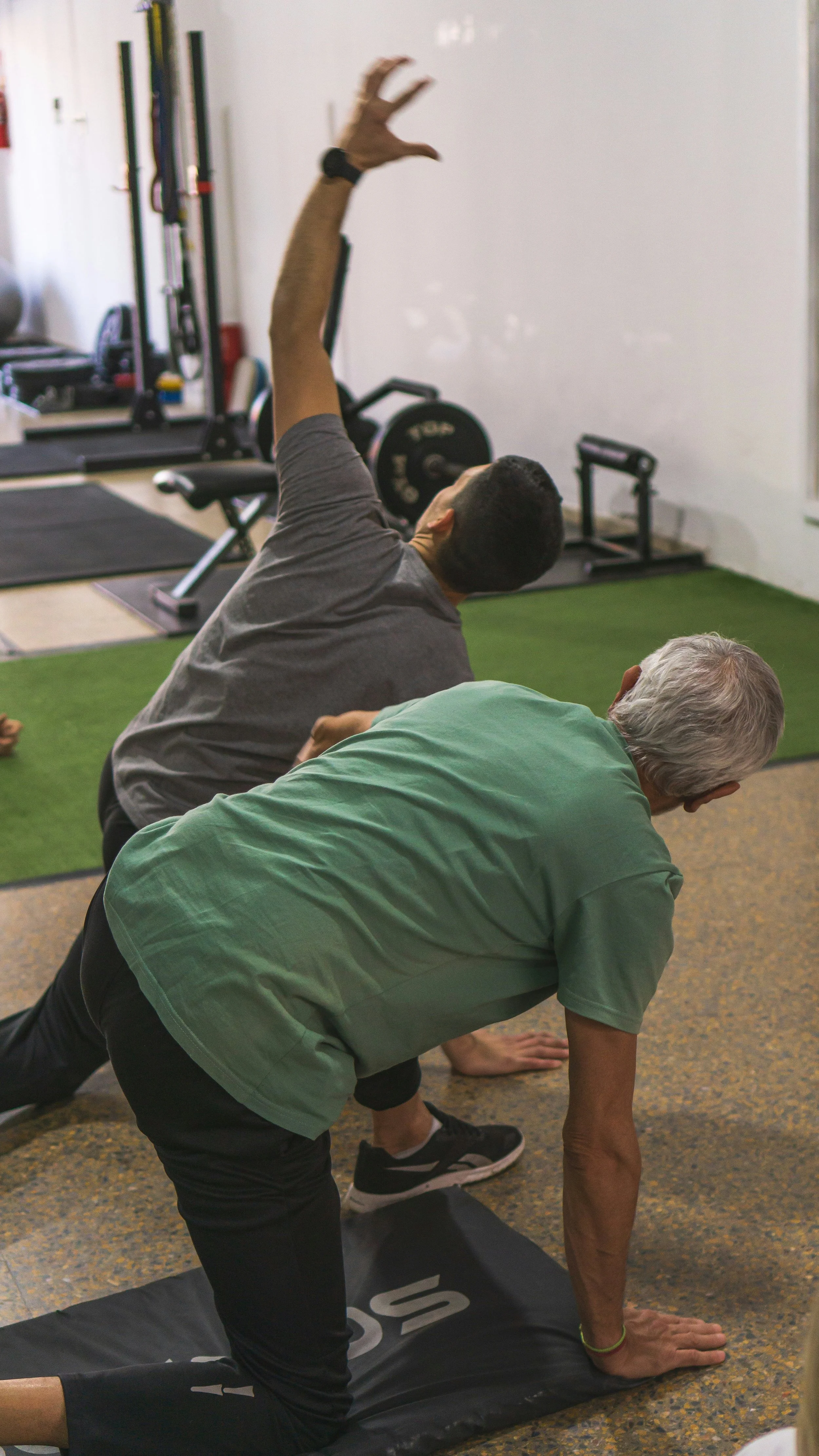
Does this sound familiar? You suggest exercise to an aging parent and are met with “I’m too tired” or “I’m afraid I’ll fall.” This resistance often comes not from laziness, but from a genuine fear that exercise is pointless or risky. The key isn't nagging; it's changing the goal of the exercise itself.
The most effective senior fitness program engagement strategies shift the focus from the gym to daily life. This approach, known as "functional fitness," links every movement to a real-world benefit, like carrying groceries with confidence or getting out of a low chair without help. It directly answers the common question, "What's the point?"
For instance, a trainer might help a client build the strength to lift a carry-on bag for an upcoming trip to see his grandkids. By tying functional fitness goals for older adults to personal independence and joy, motivation becomes intrinsic. This is how to make fitness fun for the elderly—by making it a tool for a fuller life.
The First Step Isn't an Exercise, It's a Conversation: How Trainers Build Trust
The most important work a trainer does with an older client isn't about weights; it’s about trust. The first goal isn’t a workout plan, but a genuine connection. This rapport is the foundation that makes a new, potentially intimidating process feel safe and supportive from day one.
This relationship is built by listening more than talking. A great trainer learns about a client’s life—their family, fears, and what brings them joy. This isn’t small talk; it’s the best way to understand the whole person, not just their physical needs or medical history.
When someone feels truly seen and heard, they become a partner in their own fitness. A trainer uses this trust to connect exercises directly to their client’s life, making the work meaningful. This foundation is how a trainer helps uncover their powerful, personal reasons for staying active.
How to Find the 'Why': Unlocking a Senior's Deepest Motivation
Once trust is established, a great trainer uncovers the difference between temporary and lasting motivation. Anyone can exercise for a little while because their doctor or child says they "should." But that kind of pressure rarely sticks. Lasting change comes from a deep, personal "want"—the kind of motivation that turns exercise from a chore into a meaningful choice.
To find this powerful "why," a trainer acts like a friendly detective. They look past generic goals like "I want to get stronger" by asking what that strength is for. The real prize isn't lifting a weight; it's lifting a bag of groceries out of the car without help, or having the energy to play on the floor with a grandchild. This process connects the effort in the gym to a tangible reward in daily life.
Suddenly, a vague goal is transformed into a personal mission. "Improving stamina" becomes "walking to the end of the pier with my spouse on vacation." This specific, heartfelt purpose makes the work worthwhile. Of course, even the most inspiring goal feels impossible if a person is afraid of getting hurt, which is why a trainer's next job is to make fitness feel fundamentally safe.
Addressing the Elephant in the Room: How Trainers Make Fitness Feel Safe
For many seniors, the biggest hurdle to exercise is a legitimate fear of getting hurt. A skilled trainer’s first priority isn't pushing intensity, but building a foundation of absolute safety. They introduce each movement carefully, ensuring the client feels secure and in control from the start, which is essential for addressing fear of injury in older exercisers.
This means adapting exercises to fit the person. A squat might become a safe sit-to-stand from a sturdy chair, while balance training can begin with a hand on support. These senior-friendly exercise modifications build crucial strength and stability, turning a daunting movement into an achievable, confidence-boosting win through the benefits of positive reinforcement.
The results extend far beyond the session. These simple balance exercises retrain the body’s natural stability system. As a result, a person doesn't just get stronger—they feel steadier and more confident in their daily life, quieting the constant worry of a fall.
From Reluctance to Resilience: What to Look for in a Senior-Focused Trainer
Where motivation for senior fitness once seemed like a mystery, you now understand the key isn't nagging—it's connection. You see how the right professional transforms exercise from a chore into a tool for independence and joy. This knowledge empowers you to look beyond simple workouts and identify truly effective personal training considerations.
A Quick Check for a Great Senior Trainer:
Do they ask about your life goals, not just your health stats?
Do they connect exercises to real-world activities?
Do they explain the "why" behind each movement?
Do you feel supported and heard, not just instructed?
This isn't just about finding a good senior fitness program; it's about advocating for more confident steps, easier days, and richer moments. With these motivational techniques for older adults in mind, you can help ensure that fitness adds not just years to life, but more importantly, life back to years.
